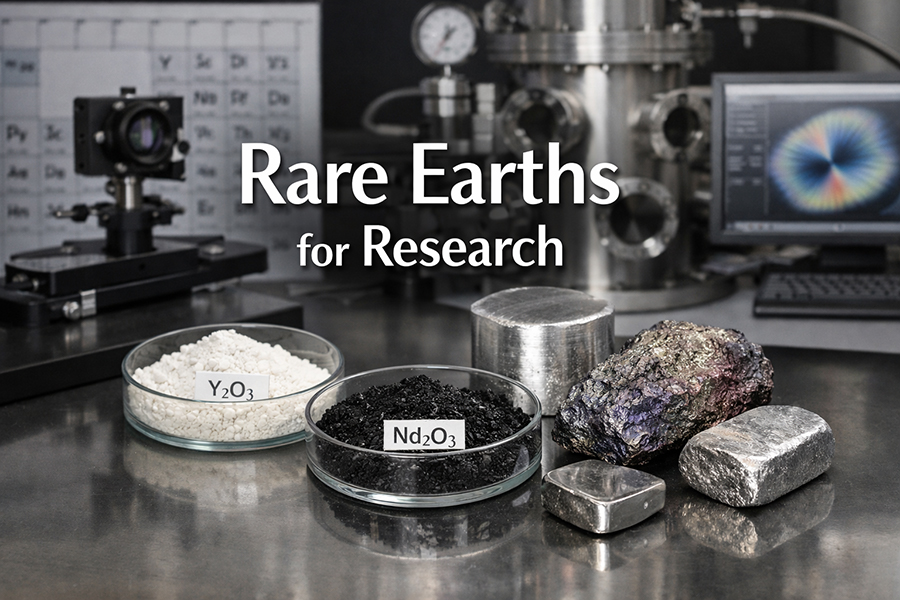








Rare earth elements (REEs) are the invisible force behind most renewable energy technologies. Without neodymium, wind turbines wouldn't spin efficiently. Without dysprosium, electric vehicles would lose range. Here are six critical applications driving the clean energy transition.
Wind Turbines are one of the most significant applications of REEs. The production of wind turbines relies on REEs, including neodymium, praseodymium, dysprosium, and terbium, which are used to make high-strength permanent magnets. These magnets play a vital role in the direct-drive turbines preferred for their efficiency and reliability against gear-driven counterparts.
The use of REEs enables more powerful and compact magnets. This allows turbines to generate more electricity from the same amount of wind. As wind power expands globally, demand for REEs will grow, highlighting the need for a sustainable and secure supply chain.

Electric vehicles (EVs) are another major application of REEs, particularly in motors. Neodymium-iron-boron (NdFeB) magnets are utilized extensively in EV motors due to their high magnetic qualities and resistance to demagnetization. These attributes are crucial to EV performance. They enable higher speeds and longer range on a single charge.
The transition towards electric mobility is a significant element in global efforts to reduce greenhouse gas emissions and combat climate change. The use of REEs by the automotive industry, thus, is increasing rapidly. Companies like Tesla, BMW, and Renault are investing heavily in the development of more efficient EV motors from these critical materials.
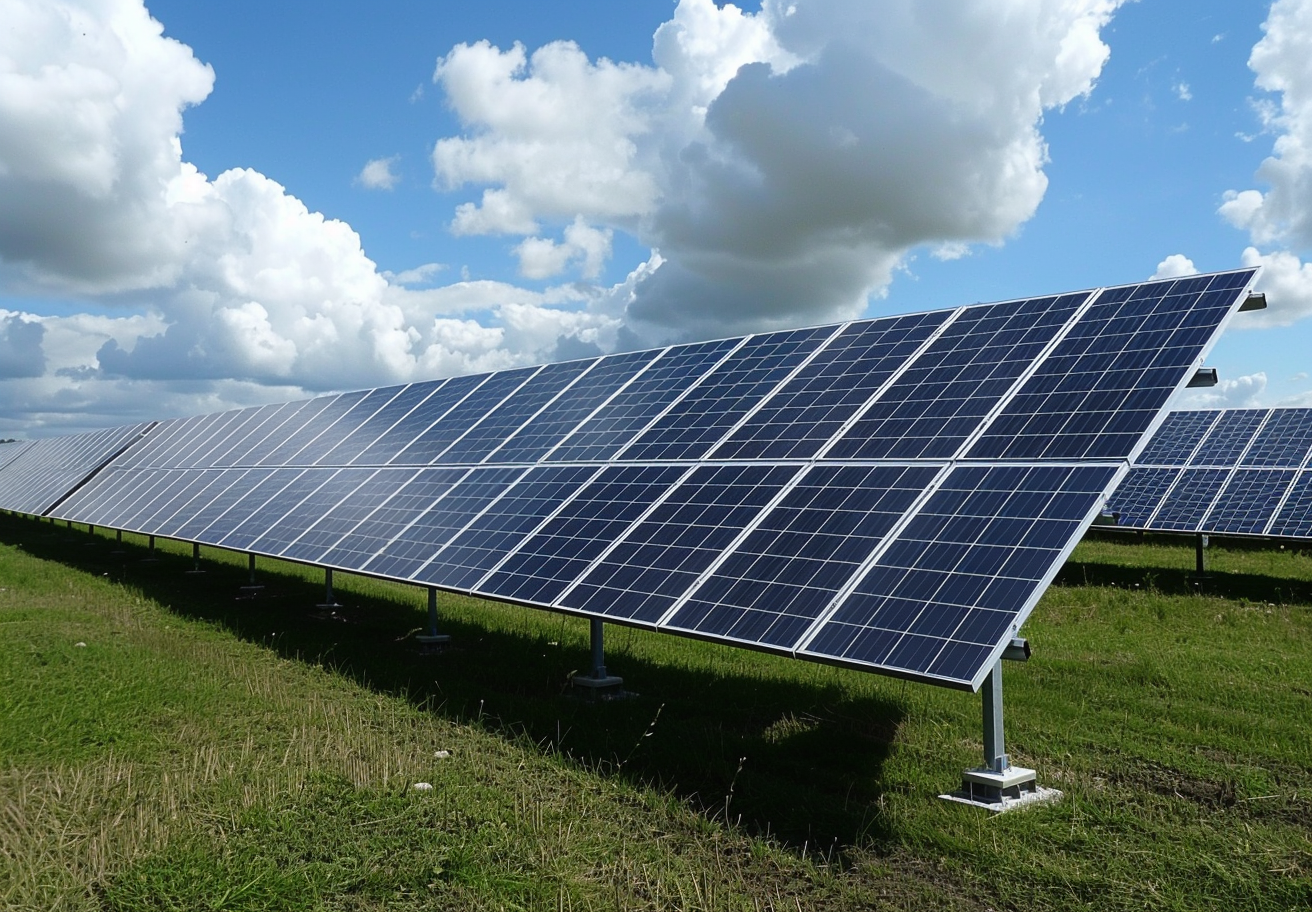
Rare earth elements also play a pivotal role in the production of solar panels, specifically thin-film solar cells. Elements such as dysprosium and cerium are utilized to improve the efficiency and durability of these cells. Thin-film solar cells are known for their lightweight and flexible properties, making them suitable for a wide range of applications, from rooftop installations to portable solar chargers.
REEs enhance photovoltaic conversion efficiency—the rate at which sunlight is converted into electricity. This improvement boosts solar energy output and makes it more cost-effective. As the adoption of solar energy continues to rise, the importance of REEs in this sector becomes increasingly apparent.
Energy storage devices and, most significantly, new-generation batteries are critical to balancing energy supply and demand in renewable energy systems. REEs are key to manufacturing lithium-ion batteries and other energy storage technologies. These are used extensively in electric vehicles and grid storage.
Lithium-ion batteries are improved through the addition of REEs like lanthanum and cerium, which act to enhance their energy density, lifespan, and safety. These improvements are crucial to ensuring that renewable energy can be stored efficiently and reliably, providing a stable power supply even when the sun isn't shining or the wind isn't blowing. The importance of renewable energy storage products is growing, and with it, the demand for REEs for renewable energy storage is increasing.
Green hydrogen production by electrolysis utilizes REEs in different parts of electrolyzers. Electrolyzers are machines that split water into hydrogen and oxygen by applying electricity, and REEs make them more efficient and long-lasting.
REEs like yttrium and cerium are utilized in the membranes and catalysts of electrolyzers, making them work more efficiently and consuming less energy. Green hydrogen is at the core of the hydrogen economy. The goal is to use hydrogen as a clean energy carrier for fuel cells, industrial processes, and more. Better electrolyzers with the help of REEs are pivotal to ushering in the widespread application of hydrogen as a renewable energy carrier.
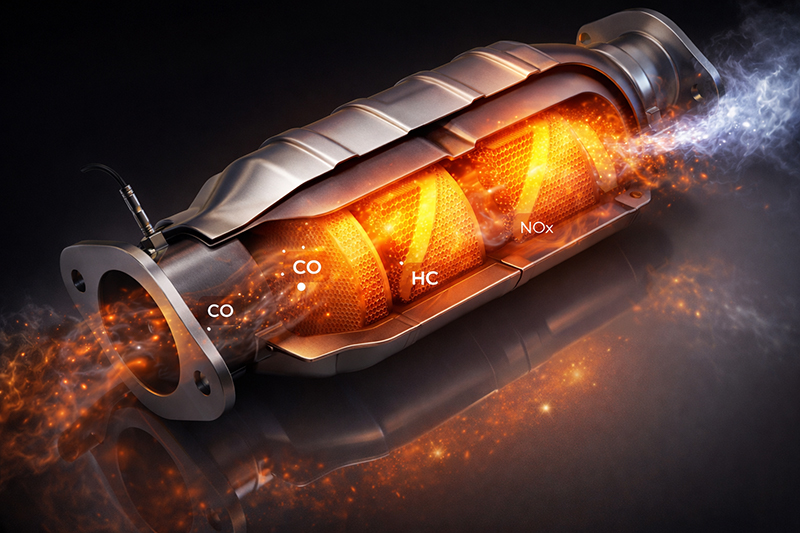
Even though not a direct technology of renewable energy, catalytic converters that rely on REEs like cerium are vital in lowering emissions from engines. The converters help break down harmful pollutants in exhaust gases to less harmful components, reducing damage to the environment.
The use of REEs in catalytic converters is part of a broader effort to advance energy efficiency and reduce environmental contamination. As the world proceeds towards cleaner sources of energy, technology that cuts down on the environmental impact of the existing combustion engines remains relevant. The utilization of REEs closes the gap between existing energy systems today and renewable energy technologies tomorrow.
Rare earth elements are key to the development and utilization of renewable energy technology. Their properties allow the production of efficient solar panels, electric vehicles, wind turbines, energy storage devices, catalytic converters, and hydrogen production. As the world moves towards cleaner and renewable energy, the importance of securing a stable and sustainable source of REEs cannot be overstated. Companies like Stanford Materials Corporation (SMC) play a vital role in supplying and developing these essential materials. Through recycling, manufacturing substitute materials, and international cooperation, the threats posed by REEs can be overcome to enable the world to switch to clean energy.
References
Eric Loewen
Eric Loewen graduated from the University of Illinois studying applied chemistry. His educational background gives him a broad base from which to approach many topics. He has been working with topics about advanced materials for over 5 years at Stanford Materials Corporation (SMC). His main purpose in writing these articles is to provide a free, yet quality resource for readers. He welcomes feedback on typos, errors, or differences in opinion that readers come across.

 Inquiry List