TZM Product

Home » Molybdenum » TZM product

Hot Products:      Molybdenum sheet   Molybdenum boat   Molybdenum bar   Molybdenum tube

TZM product

Back to Molybdenum

TZM Molybdenum is an alloy of 0.50% Titanium, 0.08% Zirconium and 0.02% Carbon with the balance Molybdenum. TZM Molybdenum is manufactured by either P/M or Arc Cast technologies and is of great utility due to its high strength/high temperature applications, especially above 2000'F.

TZM Molybdenum has a higher recrystallization temperature, higher strength, hardness and good ductility at room and elevated temperatures than unalloyed Molybdenum. In addition, TZM exhibits good thermal conductivity, low vapor pressure, and good corrosion resistance and is machinable.

Molybdenum has several alloys. For the purpose of this brochure, only alloys that are predominantly molybdenum will be considered.

TZM (titanium, zirconium, molybdenum)

Molybdenum's prime alloy is TZM. This alloy contains 99.2% min. to 99.5% max. of Mo, 0.50% Ti and 0.08% Zr with a trace of C for carbide formations. TZM offers twice the strength of pure moly at temperatures over 1300'C. The recrystallization temperature of TZM is approximately 250'C higher than moly and it offers better weldability.

The finer grain structure of TZM and the formation of TiC and ZrC in the grain boundaries of the moly inhibit grain growth and the related failure of the base metal as a result of fractures along the grain boundaries. This also gives it better properties for welding. TZM costs approximately 25% more than pure molybdenum and costs only about 5-10% more to machine. For high strength applications such as rocket nozzles, furnace structural components, and forging dies, it can be well worth the cost differential.

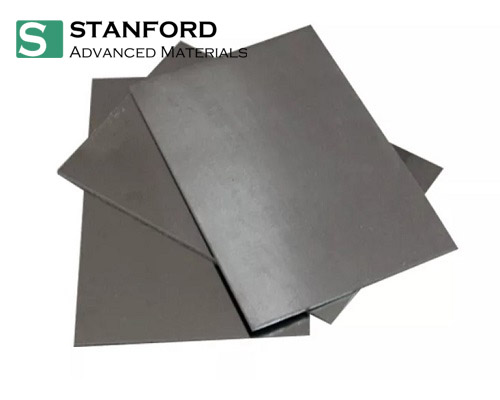
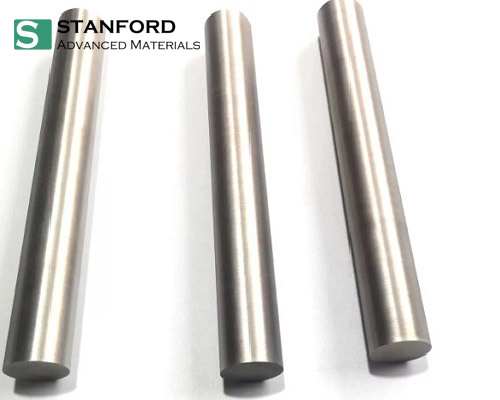
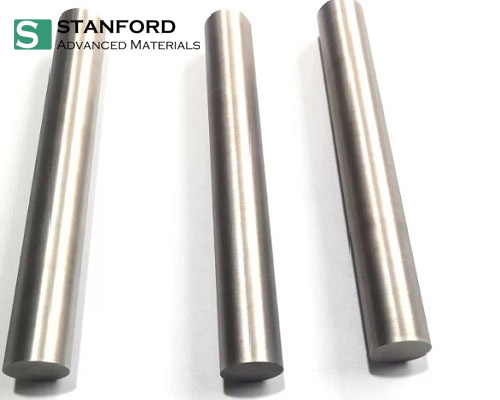
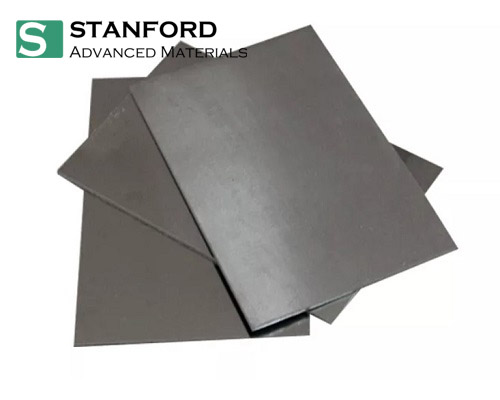
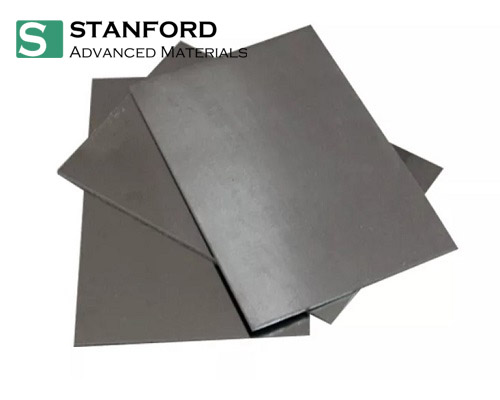
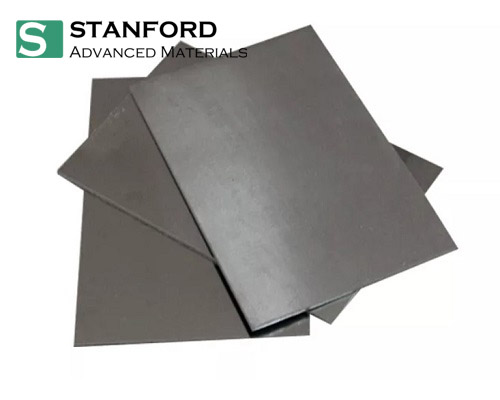
TZM is available in sheet and rod form in basically the same size range as moly with the exception of thin foil. Rembar is experienced in the fabrication of TZM. Refer to the separate TZM sheet.

Moly/30% Tungsten

This is another moly alloy that offers unique properties. It was developed for the zinc industry. This alloy resists the corrosive effects of molten zinc. Mo/30W has also proved effective in rocket nozzles and has the potential of offering enhanced performance in applications where any erosive effects are a factor.

Moly/50% Rhenium

This alloy offers the strength of moly with the ductility and weldability of rhenium. It is a costly alloy and it is only available in a very limited size range. It offers significant advantages in thin foil applications for high temperature delicate parts, especially those that must be welded. Note that, although this alloy is nominally 47% rhenium, it is customarily referred to 50/50 moly/rhenium. Other moly/rhenium alloys include moly/rhenium sheet with 47.5% and 41% rhenium. The moly/41%Re alloy does not develop sigma phase. This makes the material even more ductile after exposure to high temperatures.